NYC Drain Pipe Replacement Guide: Costs, Laws & Local Codes
Facing recurring clogs or sewer line failures? Discover NYC drain pipe replacement costs, DEP regulations, local codes, and how to choose the right licensed master plumber.


Understanding NYC Drain Pipe Infrastructure
Operating a plumbing system in New York City is entirely different from working almost anywhere else in the United Service. When you pull back the walls of a Manhattan high-rise, traverse the crawlspace of a Brooklyn brownstone, or inspect the basement of a Queens single-family home, you are stepping into a historical mosaic of piping materials. Some buildings still rely on infrastructure laid down in the early 20th century, while others feature modern PVC and PEX upgrades.
As a master plumber who has spent over fifteen years elbow-deep in NYC's complex drainage systems, I have seen every way a pipe can fail. From decades-old cast iron succumbing to internal corrosion and tree root intrusion to clay lateral lines buckling under the weight of shifting street traffic, drain pipe failure is an inevitability for aging properties. When a drain pipe gives out, it is not just an inconvenience—it is an emergency that threatens the structural integrity of your property and the health of its occupants.
The Unique Anatomy of NYC Drainage Systems
New York City buildings present unique structural and logistical hurdles that dictate how drainage systems must be diagnosed, repaired, and replaced.
-
Multi-Generational Piping: Many buildings feature a patchwork of materials installed across different decades. You might find original cast iron stacks tied into galvanized steel waste arms, transitioned into lead bends, and eventually connected to modern PVC replacements.
-
Shared Walls and Party Walls: In row houses and brownstones, drainage stacks are often integrated into shared or party walls. A leak on your neighbor's side can quickly manifest as damage on yours.
-
High-Rise Gravity and Pressure: Tall buildings require complex stack systems with relief vents, primary loops, and sanitary tees designed to handle massive volumes of wastewater without creating negative air pressure that pulls water out of fixture traps.
-
Subsurface Urban Stress: Exterior building drains and private sewer lines run beneath sidewalks, concrete slabs, and municipal infrastructure, making them vulnerable to heavy vibration, street settling, and urban tree roots.
Signs Your NYC Property Needs Drain Pipe Replacement
Property owners often mistake severe drain issues for simple clogs. Pouring chemical drain cleaner down a failing pipe is like putting a band-aid on a fracture. Knowing when to transition from clearing a line to replacing it saves thousands of dollars in water damage and emergency mitigation.
-
Frequent, Stubborn Backups: If your toilets, showers, or kitchen sinks back up repeatedly despite professional snaking or hydro-jetting, the pipe has likely lost its structural integrity, sagged (forming a "belly"), or collapsed entirely.
-
Pungent Sewage Odors: Persistent sewer gas smells inside the basement or lower levels indicate cracks, dry traps, or broken vent/drain pipes leaking gas into the building envelope.
-
Water Stains and Mold Growth: Unexplained dampness on walls, ceilings, or basement floors often traces back to a leaking or weeping waste stack hidden behind plaster or brick.
-
Foundation Cracks and Sinkholes: Exterior or basement sewer line breaks can wash away the soil supporting your foundation, leading to settling, structural cracks, or depressions in your yard or concrete courtyard.
-
Discolored or Slow-Draining Fixtures: If multiple fixtures drain sluggishly at the same time, the main building drain is likely compromised, obstructed by scale buildup, or heavily corroded.
Common Materials Found in NYC Drains (And Why They Fail)
To understand why a replacement is necessary, you need to look at what is happening inside your walls and underground.
-
Cast Iron: For decades, cast iron was the gold standard for durability. However, its lifespan in NYC is typically 50 to 75 years. Over time, wastewater acidity, grease, and household chemicals eat away at the interior wall of the pipe (known as scaling or pitting), eventually creating pinhole leaks or structural collapses.
-
Galvanized Steel: Commonly used for vent and waste lines from the mid-20th century, galvanized steel accumulates mineral buildup on its interior walls over time, drastically narrowing the internal diameter until the pipe completely chokes off.
-
Clay Tile (Vitrified Clay): Frequently used for exterior sewer lateral lines running from the foundation to the city main. While resistant to chemicals, clay pipes are brittle. Ground movement, shifting frost lines, and aggressive tree roots seeking moisture routinely crack and fracture clay tiles.
-
PVC and ABS Plastics: Modern standards rely on thermoplastics. While smooth, chemical-resistant, and long-lasting, plastic pipes can still fail if improperly supported, exposed to extreme heat, or crushed by heavy exterior loads.
The NYC Drain Pipe Replacement Process: Step-by-Step
Replacing a drain pipe in New York City is a meticulous engineering task that requires precision, specialized equipment, and strict adherence to local building codes. Here is how professional execution unfolds:
1. Advanced Video Camera Inspection
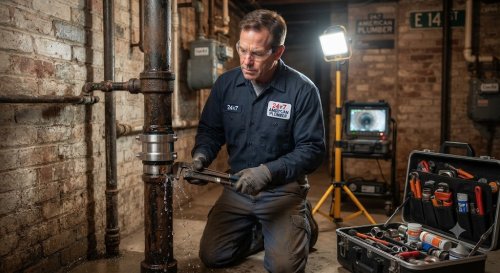
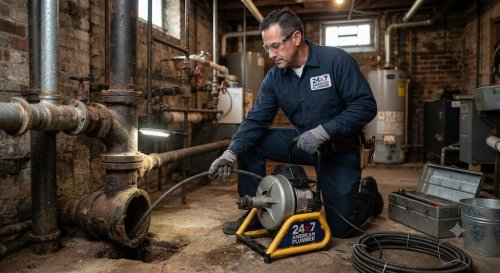
Before a single hammer swings or excavator touches asphalt, we deploy high-definition push cameras and self-leveling crawlers into the drainage network. This allows us to map out the exact location of cracks, roots, offsets, and collapses, ensuring we only replace what is necessary and target our access points accurately.
2. Containment and Protection
NYC properties—especially older co-ops, condos, and brownstones—feature delicate interior finishes like hardwood floors, decorative molding, and historic plaster. Professional technicians establish heavy-duty plastic containment barriers, lay down floor protection, and set up negative-air HEPA scrubbers to isolate the work zone from living spaces.
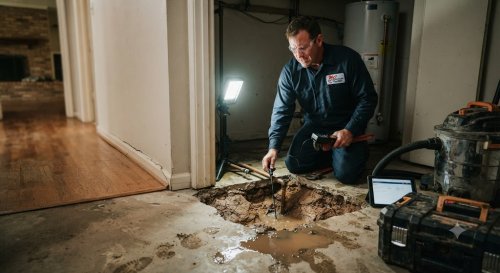
3. Strategic Access and Demolition
Depending on whether we are tackling an interior stack or an exterior lateral, access is gained by opening drywall, core-drilling concrete slabs, or excavating exterior soil. In tight urban settings, trenchless technologies (such as epoxy pipe lining or pipe bursting) are utilized whenever possible to minimize disruption to pavement, landscaping, and historic facades.
4. Removal and Code-Compliant Installation
Failing sections of pipe are carefully dismantled and extracted. We then install new, high-grade materials—typically schedule 40 PVC, cast iron (where acoustic dampening or historic preservation is mandated), or heavy-duty ductile iron. Every connection is pitched precisely (typically a slope of $1/4$ inch per foot for horizontal drains) to ensure optimal gravity flow.
5. Mandatory Pressure and Leak Testing
Once the new piping is secured, we perform rigorous hydrostatic or air pressure tests to prove the integrity of the system. Local municipal inspectors frequently witness these tests to ensure total compliance with plumbing codes before walls are closed up or trenches are backfilled.
Navigating NYC Plumbing Codes, Permits, and DEP Regulations
You cannot simply hire a handyman to rip out and replace a drain pipe in New York City. The Department of Buildings (DOB) and the Department of Environmental Protection (DEP) enforce stringent regulations to protect public health and municipal infrastructure.
-
Licensed Master Plumber (LMP) Requirement: By NYC law, any major plumbing alteration—including the replacement of building drainage stacks or sewer mains—must be performed by or under the direct supervision of a licensed master plumber who pulls the necessary permits.
-
DOB Permits and Filings: Depending on the scope of work, an Alteration Type 2 (Alt-2) or Emergency Work Permit must be filed with the NYC Department of Buildings. Skipping permits can result in severe stop-work orders, heavy fines, and complications when selling the property.
-
DEP Sewer Connection Permits: If work extends outside the property line into the sidewalk or street to repair or replace the building sewer lateral connecting to the city main, specific DEP permits and street opening bonds are mandatory.
-
Backwater Valve Mandates: In flood-prone areas of NYC (such as low-lying coastal zones in Queens, Brooklyn, and Staten Island), current codes often require the installation of backwater check valves to prevent municipal storm surges from backing up into building basements.
Trenchless vs. Traditional Replacement: Which is Right for Your Property?
Advancements in plumbing technology have given property owners options beyond traditional open-cut excavation.
-
Traditional Open-Trench Excavation: Involves digging up floors, yards, or public sidewalks to remove and replace damaged pipes. While disruptive, it is sometimes the only option for severely collapsed pipes, pipes with extreme structural sagging, or lines requiring a change in grade/pitch.
-
Pipe Bursting: A trenchless method where a bursting head is pulled through the old damaged pipe, simultaneously breaking it outward while dragging a seamless new HDPE pipe into its place. Ideal for exterior sewer lines running under concrete driveways or yards.
-
Cured-In-Place Pipe (CIPP) Lining: A fiberglass or felt liner saturated with epoxy resin is inserted into the existing pipe and inflated with steam or hot water. The resin cures in place, creating a jointless, corrosion-resistant "pipe-within-a-pipe" that seals all cracks and roots without any digging.
Preventative Maintenance: Protecting Your New Investment
Once you have invested in a professional drain pipe replacement, protecting your system ensures it lasts for decades.
-
Watch What Goes Down the Drain: Never dispose of grease, cooking oil, coffee grounds, paper towels, flushable wipes (which do not break down like toilet paper), or hygiene products down your drains.
-
Schedule Regular Hydro-Jetting: High-pressure water jetting strips away mineral scale, soap scum, and grease accumulation inside main lines before blockages can form.
-
Install Hair Catchers: In high-use residential bathrooms, simple mesh strainers catch hair and debris before they enter the waste arm and accumulate.
-
Address Minor Leaks Immediately: A small, slow drip under a sink or behind a basement wall is an early warning sign. Catching it early prevents wood rot, mold growth, and major structural deterioration.
Why Professional Expertise Matters
Drain pipe replacement is not a DIY weekend project. It requires an intimate understanding of hydraulic physics, NYC municipal codes, structural engineering considerations, and advanced diagnostic machinery. Choosing an experienced contractor ensures the job is done right the first time, protecting your property value and giving you long-term peace of mind.
If you are experiencing slow drains, mysterious odors, or recurring backups in your home or commercial building, do not wait for a catastrophic failure. Contact our team of licensed experts today.
-
Company: 24x7 American Plumber
-
Phone: 762-383-0288
-
Website:
24x7americanplumber.com -
Availability: Emergency service available 24 hours a day, 7 days a week across all five boroughs of New York City.