Phoenix Emergency Plumber | Hard Water Scale & Water Heater Repair
Facing a water heater failure or hard water damage in Phoenix, AZ? Trust 24x7 American Plumber for 24/7 emergency service.

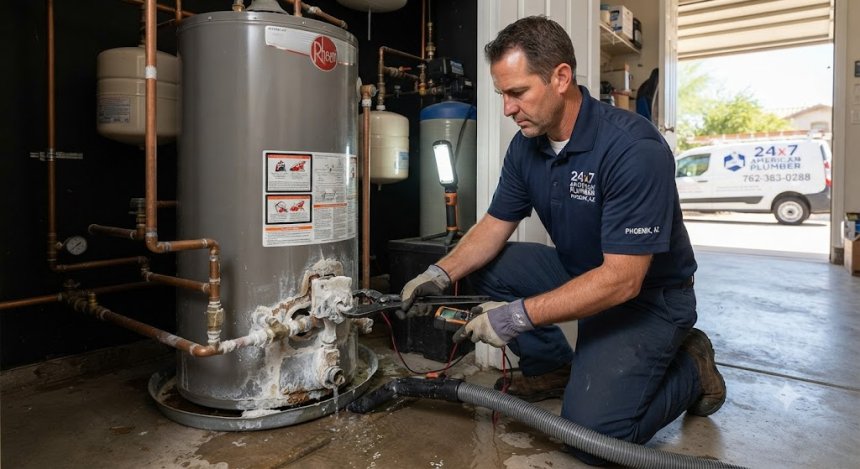
Phoenix Emergency Plumber: Hard Water Scale and Water Heater Failures
Living in the Valley of the Sun comes with plenty of sunshine, but it also presents unique and aggressive challenges for residential plumbing systems. If you reside in Phoenix, Arizona, you are likely already familiar with the intense heat and, more importantly, the heavy mineral concentration found in the municipal water supply. While hard water is safe to drink, it acts as a slow-acting poison to your plumbing network, particularly your water heater.
As a master plumber with over 15 years of hands-on experience working across Maricopa County, I have responded to countless midnight emergencies where neglected water heaters ruptured, flooding garages, utility rooms, and attics. In Phoenix's desert climate, a failing water heater or a calcified pipe is not just a minor inconvenience—it is an impending disaster that requires expert, immediate intervention.
This comprehensive guide explores the destructive relationship between Phoenix hard water scale and water heater failures, how to spot the warning signs before a catastrophe strikes, and why partnering with 24x7 American Plumber (Call us anytime at 762-383-0288 or visit 24x7americanplumber.com) is your best defense against property damage.
The Phoenix Hard Water Crisis: What Is It Doing to Your Pipes?
Phoenix water is classified as extremely hard. As water travels through the ground, it picks up high concentrations of dissolved minerals, primarily calcium and magnesium. When this mineral-rich water enters your home and is heated up inside appliances, a chemical reaction occurs.
1. Mineral Precipitation and Scale Build-Up
As water temperatures rise, calcium and magnesium separate from the liquid and solidify into a chalky, crusty substance known as scale. This scale coats the interior walls of your supply pipes, chokes down faucet aerators, and accumulates in thick layers at the bottom of your water heater tank.
2. Thermal Insulation Barrier
Inside a standard tank water heater, scale settles directly over the bottom heating element or burner. Because calcium is a poor thermal conductor, this layer acts as an insulating barrier between the heat source and the water. The burner must work twice as long and burn much hotter to heat the same amount of water, driving up your monthly utility bills and overheating the steel tank.
3. Accelerated Metal Fatigue and Corrosion
The continuous overheating caused by scale accumulation weakens the glass-lined steel tank from the inside out. Over time, micro-fractures develop, leading to premature tank failure, leaks, and sudden structural ruptures.
Understanding Water Heater Failures in the Desert Climate
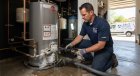
Water heaters in Phoenix operate under much harsher conditions than those in regions with soft water. When a water heater fails due to scale or age, it rarely gives you a polite warning; instead, it tends to break down catastrophically.
Common Modes of Water Heater Breakdown
-
Bottom Tank Ruptures: Heavy mineral accumulation corrodes the steel floor of the tank until it finally gives way under water pressure, resulting in gallons of water rushing across the floor.
-
Heating Element Burnout: In electric units, scale build-up encases the lower heating element, causing it to overheat and short-circuit.
-
Pressure Relief Valve Failures: As scale clogs internal lines and pressure builds beyond safe limits, the Temperature and Pressure (T&P) relief valve may fail to discharge safely, creating explosion risks.
-
Anode Rod Depletion: The sacrificial anode rod, designed to attract corrosive elements in the water instead of the steel tank, is completely consumed by Phoenix hard water within a couple of years if left uninspected.
Recognizing the Warning Signs of an Impending Emergency
Catching water heater issues and scale damage early can save you from a costly emergency replacement. Watch for these red flags around your home:
1. Strange Rumbling or Popping Noises
If you hear deep rumbling, banging, or popping sounds coming from your water heater tank, it means a thick layer of hardened sediment has accumulated at the bottom. Water trapped beneath the scale boils and bubbles, creating these alarming noises.
2. Discolored or Foul-Smelling Water
Rusty, brown, or yellowish water coming from your hot taps indicates internal tank corrosion. If the water smells like rotten eggs, bacterial growth is reacting with sulfur and mineral deposits inside the tank.
3. Fluctuating Water Temperatures
Running out of hot water much faster than usual points to a severely restricted heating capacity caused by heavy internal scale insulation.
4. Visible Leaks and Moisture Pooling
Any dampness, pooling water, or mineral crusting around the base of the tank, fittings, or valves signifies an active leak that requires immediate professional evaluation.
What to Do During a Water Heater Emergency
When your water heater ruptures or floods your utility area, every second matters. Follow these critical steps to mitigate property damage before your emergency plumber arrives:
-
Shut Off the Water Supply: Locate the cold water shut-off valve situated on the inlet pipe right above the top of the water heater. Turn the valve clockwise to stop incoming water. If that valve is rusted or stuck, turn off your home's main water shut-off valve.
-
Kill the Power Source: For electric water heaters, switch off the dedicated circuit breaker in your electrical panel. For gas water heaters, turn the gas control valve knob to the "Off" or "Pilot" position to prevent the burner from dry-firing and starting a fire.
-
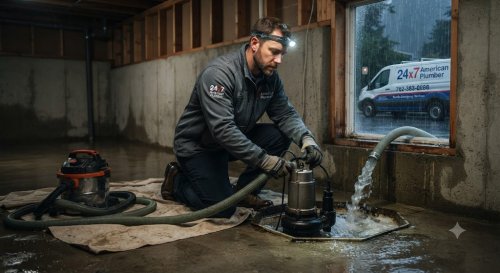
Drain Excess Water (If Safe): Attach a garden hose to the drain valve at the bottom of the tank and run it outside or to a lower floor drain to clear out remaining water volume.
-
Protect Surrounding Areas: Use towels, wet-dry vacuums, and mops to control pooling water and prevent it from soaking into drywall or adjacent living spaces.
Why DIY Fixes and Unlicensed Handymen Fall Short
When faced with a broken water heater, some homeowners attempt to replace elements themselves or hire cheap, unlicensed handymen found online.
As an experienced professional, I strongly caution against amateur repairs:
-
Gas and Electrical Hazards: Working with 240-volt electrical circuits or natural gas lines without proper licensing poses extreme risks of electrocution, gas leaks, and fatal explosions.
-
Building Code Violations: Phoenix municipal codes require specific expansion tanks, seismic strapping, and proper T&P discharge piping. Unlicensed work often violates local codes, voiding your home insurance policy in the event of water damage.
-
Voided Manufacturer Warranties: Installing or servicing a water heater incorrectly immediately voids the manufacturer warranty, leaving you entirely responsible for future equipment failures.
The 24x7 American Plumber Emergency Workflow
When you call 24x7 American Plumber at 762-383-0288, you connect directly with experienced dispatchers who mobilize licensed plumbing professionals immediately, day or night.
1. Rapid Dispatch Across Phoenix
Our service vehicles are fully stocked with replacement water heater tanks, commercial descaling equipment, and standard plumbing parts to ensure we can resolve most emergencies on the spot.
2. Upfront, Honest Pricing
We believe in complete transparency. Before we begin any work, we provide a clear, upfront estimate with no hidden emergency surcharges or surprise fees.
3. Professional Installation and Upgrades
We install high-efficiency conventional tank units and modern tankless water heaters designed to withstand aggressive hard water environments. We also recommend and install whole-home water softening systems to protect your entire plumbing infrastructure moving forward.
Preventative Maintenance: Beating Phoenix Hard Water
The best way to handle hard water scale is through proactive maintenance. Implement these expert practices to extend the lifespan of your plumbing system:
-
Flush Your Water Heater Annually: Hire a professional to flush and drain your water heater tank once a year to clear out loose mineral sediment before it bakes into hard scale.
-
Inspect and Replace the Anode Rod: Check your tank's anode rod every 1 to 2 years. Replacing a depleted anode rod dramatically slows down tank corrosion.
-
Install a Whole-Home Water Softener: Investing in a quality water softener removes calcium and magnesium ions right as water enters your home, protecting your water heater, faucets, washing machine, and showerheads.
-
Set the Optimal Temperature: Keep your water heater thermostat set to 120°F. Higher temperatures accelerate the rate at which scale forms and increases the risk of scalding injuries.
Your Trusted Partner for Phoenix Plumbing Emergencies
Dealing with a flooded garage or a freezing cold shower in the middle of the desert is stressful, but you don't have to face it alone. You deserve an expert team that understands the unique destructive nature of Phoenix hard water scale and responds with speed, honesty, and precision.