Gas Water Heater Popping Sounds | Causes & Fixes
Hear a gas water heater making loud popping sounds? Learn why mineral sediment causes tank noise, when it's dangerous, and how to fix it.

Introduction
Few household noises cause more immediate panic than a sudden, heavy boom or rumbling echo coming from your utility closet. When you notice a gas water heater making loud popping sounds, it usually signals that trapped moisture is violently boiling beneath a thick layer of hardened mineral sediment at the bottom of the tank. Homeowners throughout the Northeast frequently encounter this issue due to high mineral content in regional water supplies, which accelerates scale accumulation.
Ignoring these acoustic warnings can lead to premature tank stress, micro-fractures, efficiency loss, and catastrophic tank failure. This comprehensive guide details the mechanical causes behind water heater noise, professional diagnostic workflows, and essential maintenance steps to protect your hot water supply.
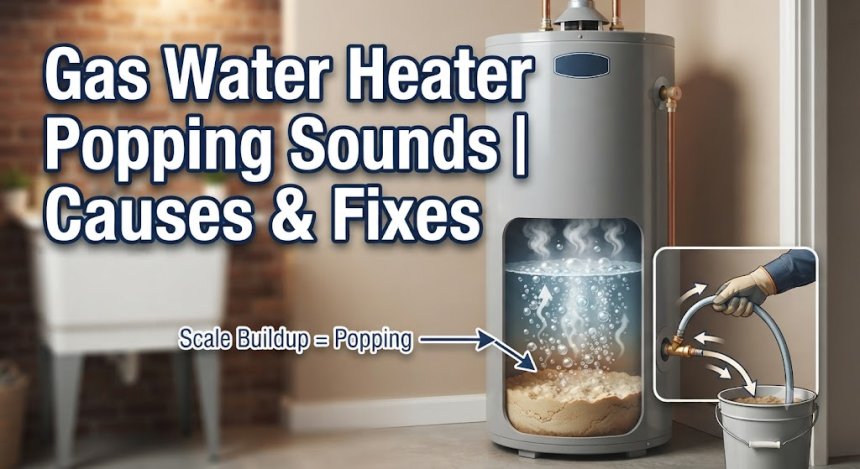
What Is Sediment Boiling? Decoding the Mechanism
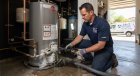
To understand why your water heater sounds like a muffled drum kit or a boiling kettle, it helps to examine how a standard gas-fired storage tank operates. Cold water enters the bottom of the tank through a dip tube, where a gas burner assembly underneath heats the steel vessel. Hot water naturally rises, supplying your home's faucets and showers.
Over time, minerals dissolved in incoming water—primarily calcium and magnesium—precipitate out when heated, settling at the bottom of the tank as a thick layer of sediment. When this sediment layer builds up, it acts as an insulating blanket between the gas burner and the water. Trapped water underneath the sediment layer overheats rapidly, boiling into steam bubbles that force their way upward through the sludge, creating the characteristic "pop" or "bang."
Picture a historic suburban home where hard water has gone unchecked for years: a thick, cement-like crust forms over the burner surface. Every time the thermostat calls for heat, the trapped pockets of water violently expand, causing loud thermal concussions that shake the entire water heater jacket.
Financial Breakdown: Cost Factors & Investment Realities
Addressing water heater noise and maintenance involves variable financial inputs depending on the severity of the damage and equipment accessibility:
-
Service Call & Dispatch Fees: Standard diagnostic and emergency dispatch fees cover technician mobilization and safety verification.
-
Flushing vs. Replacement Labor: Routine flushing is a straightforward service investment, whereas replacing a heavily calcified, leaking tank requires extensive labor and disposal fees.
-
Component Upgrades: Installing high-grade sacrificial anode rods, thermal expansion tanks, or modern high-efficiency gas valves impacts overall project costs.
-
Permitting Requirements: Local municipal codes frequently require permits and safety inspections when replacing a complete water heater unit.
Root Causes: Why Mineral Scale and Noise Accumulate
Water heater distress stems from a combination of local water chemistry, environmental factors, and long-term wear:
-
High Hardness Water Concentrations: High levels of dissolved calcium and magnesium react rapidly to intense burner heat, accelerating mineral precipitation.
-
Neglected Maintenance Schedules: Failing to flush the tank annually allows sediment layers to solidify into a rock-hard crust that standard draining cannot remove.
-
Sacrificial Anode Rod Depletion: When the aluminum or magnesium anode rod completely corrodes away, aggressive galvanic action attacks the tank walls and accelerates sediment binding.
-
Thermal Expansion Pressures: Closed-loop plumbing systems lacking functional expansion tanks place excessive structural stress on the water heater vessel during heating cycles.
Professional Diagnostic & Repair Workflow
When a licensed master plumber evaluates a noisy, sediment-choked water heater, they execute a systematic technical workflow:
-
Safety Triage & Fuel Isolation: The technician shuts off the gas supply and electrical connections, ensuring the unit is safe to service.
-
Thermal & Structural Inspection: Using digital meters and visual checks, the plumber evaluates tank integrity, flue venting, and pressure relief valve (TPV) functionality.
-
Pressure & Temperature Assessment: The system is tested for thermal expansion pressures and improper municipal pressure settings.
-
Controlled Flushing or Descaling: If sediment is localized, the plumber performs a high-pressure flush or chemical descaling; if the tank bottom is warped, replacement options are presented.
-
Component Calibration & Safety Verification: The burner assembly is cleaned, the new anode rod is installed, and the system undergoes a complete operational test.
Advanced Diagnostics: The Professional Tool Arsenal
Professional plumbing contractors utilize specialized equipment to diagnose water heater failures accurately without guesswork:
-
Electronic Combustion Analyzers: Measures gas burner efficiency, carbon monoxide output, and proper draft hood venting.
-
Digital Manometers: Tests gas supply pressure and verifies that the gas control valve is delivering precise BTU inputs.
-
Thermal Imaging Cameras: Detects hidden hot spots, insulation breakdown, and internal tank stratification.
-
Acoustic Leak & Stress Detectors: Evaluates structural stress points on aging steel tanks to predict potential rupture risks.
DIY Reality Check: What You Can Safely Fix vs. When to Step Back
-
Safe Homeowner Actions: Monitoring water temperature settings, checking the temperature and pressure relief valve discharge pipe, and scheduling annual visual inspections.
-
The Danger Zone: Never attempt to drain a heavily neglected water heater yourself if the drain valve is clogged with sediment; forcing a stuck plastic valve can snap it off, unleashing hundreds of gallons of scalding water into your utility room.
-
When to Call a Pro: If flushing fails to stop the popping noise, if you notice rusty water at hot faucets, or if moisture appears around the base of the tank, call a licensed plumber immediately.
Critical Warning Signs: When Your Home is Sounding the Alarm
Ignoring water heater noises invites progressive structural failure and property damage:
-
Auditory Escalation: Progressing from occasional popping to continuous rumbling, hammering, or sharp metallic snapping sounds.
-
Performance Drops: Noticeable reduction in hot water duration, lukewarm showers, or recovery times taking twice as long as normal.
-
Visual & Olfactory Clues: Discolored brownish hot water, damp patches around the base of the tank, or a persistent sulfur smell indicating bacterial growth or venting issues.
-
Cascading Risks: A severely overheated, sediment-blocked tank can rupture its steel shell, resulting in thousands of gallons of indoor flooding and electrical hazards.
Unique Expert Insights: Hard Truths Homeowners Learn Too Late
Years of hands-on field experience reveal crucial insights that save homeowners from unexpected failures:
-
Warranties Require Maintenance: Most manufacturer warranties are legally void if the homeowner cannot prove regular annual flushing and anode rod inspection.
-
Self-Cleaning Labels Aren't Magic: Units marketed as "self-cleaning" still accumulate heavy mineral scale in regions with hard water and require manual intervention.
-
Ignoring the Anode Rod Destroys Tanks: A depleted anode rod sacrifices the tank walls to rust within a few short years, turning a minor maintenance fix into a full replacement emergency.
-
DIY Valve Failures Cause Floods: Aging plastic drain valves frequently break off during homeowner flush attempts, turning a weekend chore into an indoor lake.
Comprehensive Home Plumbing Maintenance Framework
Protect your water heater and plumbing network with these seasonal and routine maintenance habits:
-
Spring & Summer Checks: Inspect the TPV valve discharge line for mineral blockages; test sump pumps near utility closets.
-
Fall & Winter Preparation: Insulate exposed hot water supply pipes; verify that combustion air vents are clear of seasonal debris and snow accumulation.
-
Year-Round Habits: Flush 1-2 gallons of water from the tank drain valve every six months; monitor water pressure and test your expansion tank bladder annually.
Emergency Protocol: When Immediate Dispatch is Non-Negotiable
Certain water heater situations demand immediate 24/7 professional intervention:
-
Active Tank Rupture: Water actively gushing or leaking from the steel shell of the tank.
-
Gas Leaks: Detecting the sharp odor of natural gas or propane near the water heater control valve.
-
Temperature & Pressure Relief Discharges: The TPV valve roaring open, discharging boiling water and steam continuously.
-
Electrical or Burner Failures: Sparking controls or scorched wiring harnesses threatening household safety.
Frequently Asked Questions (FAQs)
Why is my gas water heater making a loud popping sound?
Popping sounds are caused by water trapped beneath hardened layers of mineral sediment boiling rapidly into steam bubbles against the bottom of the tank.
Is a popping water heater dangerous?
While minor popping is common in hard water areas, severe rumbling indicates extreme thermal stress that can crack the glass lining and cause tank leaks or failure.
Can I fix a popping water heater by flushing it?
Yes, flushing the tank to remove accumulated sediment often resolves the noise, provided the sediment has not already baked into a solid, unmovable crust.
How often should a gas water heater be flushed?
In areas with hard water, water heaters should be flushed at least once a year to prevent excessive sediment buildup and maintain energy efficiency.
What causes water heater sediment to harden?
Continuous exposure to high heat from the burner bakes calcium and magnesium minerals into a dense, cement-like layer at the bottom of the tank.
What is the lifespan of a standard gas water heater?
Most traditional tank-style gas water heaters last between 8 to 12 years, depending on water quality, maintenance frequency, and anode rod replacement.
Why does my hot water run out faster than it used to?
A thick layer of sediment reduces the tank's effective water capacity and insulates the water from the burner, resulting in shorter hot water delivery times.
When should I replace my water heater instead of repairing it?
If your water heater is over 10 years old, leaking from the tank body itself, or suffering from repeated component failures, replacement is more cost-effective.
Why Homeowners Trust Professional Plumbing Experts
Maintaining and repairing gas water heating equipment requires specialized licensing, gas safety protocols, and technical precision. Relying on professional plumbing contractors ensures your system operates at peak efficiency, complies with local building codes, and remains protected by reliable warranties.
Are you experiencing loud popping noises from your water heater, or would you like to schedule an annual maintenance flush and inspection?