Drain Field Repair New York City
Facing drain field issues in New York City? Learn the signs of failure, NYC-specific regulations, repair costs, and prevention tips from expert plumbers.

Operating a plumbing and wastewater service across the unique urban and suburban landscapes of New York City for over 15 years reveals a common misconception: many property owners assume advanced septic and drain field systems do not exist within the five boroughs. While much of NYC relies on the municipal sewer grid, thousands of properties—particularly in parts of Staten Island, Queens, suburban-style pockets of the Bronx, and upstate commercial-residential borders—rely entirely on onsite wastewater treatment systems. When these systems fail, the impact on property hygiene, structural integrity, and daily operations is immediate and severe.
Understanding how drain fields function, recognizing early warning signs of failure, navigating NYC's strict environmental compliance, and knowing when to call a professional can save property owners thousands of dollars in emergency remediation.
Understanding Your Septic Drain Field
The drain field, often called a leach field or absorption field, is the critical final stage of a decentralized wastewater treatment system. After solid waste settles in the septic tank, the liquid effluent flows out into a network of perforated pipes buried beneath a gravel bed and soil.
-
Pre-Treatment: Wastewater enters the septic tank where anaerobic bacteria break down solids.
-
Distribution: Clarified liquid effluent flows out of the tank into distribution boxes and pipes.
-
Soil Filtration: Perforated pipes release the liquid into designated trenches, allowing surrounding soil to naturally filter out harmful pathogens, bacteria, and nutrients before the water reaches the local groundwater table.
When this biological and physical filtration process halts, wastewater backs up, creating environmental hazards and structural degradation on the property.
Signs Your Drain Field Needs Immediate Repair
Catching a failing drain field early prevents complete system collapse and expensive property restoration. Property owners should watch for these definitive indicators:
-
Soggy or Saturated Soil: Standing water or unusually spongy, wet ground directly above or near the drain field during dry weather indicates the soil can no longer absorb liquid effluent.
-
Foul Odors: Persistent, sulfurous, or sewage-like smells lingering across the yard point to untreated wastewater surfacing or sitting too close to the surface.
-
Lush, Green Grass Growth: Grass growing significantly faster, thicker, and greener over the leach field than the rest of the lawn signals an abundance of organic nutrients leaking prematurely.
-
Slow Drains and Backups: Multiple plumbing fixtures (toilets, sinks, showers) draining sluggishly or backing up simultaneously indicate the septic tank cannot discharge into the field.
-
Gurgling Plumbing: A gurgling sound in the toilet bowls or sink traps when water runs elsewhere means air is trapped in the venting or drainage lines due to system blockages.
Why Drain Fields Fail in New York City
Operating a decentralized wastewater system in and around New York City introduces specific environmental and structural stressors not commonly found in rural settings:
-
Soil Compacting and Limited Space: NYC properties often feature restricted lot sizes, leading to heavy vehicular traffic, parking, or construction equipment driving over hidden drain field lines, crushing pipes and compacting vital soil pores.
-
Tree Root Intrusion: Mature trees and aggressive landscaping plants seek out moisture, forcing roots directly into perforated distribution pipes and blocking wastewater flow.
-
Chemical Overload: Excessive use of harsh chemical drain cleaners, antibacterial soaps, and bleach kills the beneficial bacteria inside the septic tank, pushing untreated sludge out into the drain field and clogging soil pores.
-
Hydraulic Overloading: Introducing more water into the system than it was engineered to handle—such as running multiple high-capacity laundry cycles daily or dealing with leaky plumbing fixtures—saturates the field beyond its percolation rate.
-
Fat, Oil, and Grease (FOG) Buildup: Pouring cooking grease down kitchen drains coats the septic tank and travels to the drain field, forming an impermeable layer that blocks water absorption.
The Drain Field Repair and Restoration Process
When a drain field shows signs of failure, a professional evaluation determines whether the system requires targeted repair, chemical restoration, or complete reconstruction.
-
Comprehensive Video Inspection and Testing: Technicians use specialized cameras to inspect the distribution lines for cracks, roots, or collapses, alongside soil percolation tests to measure absorption capacity.
-
Septic Tank Pumping: Every repair begins with thoroughly pumping out the main septic tank to remove accumulated sludge and prevent further debris from entering the compromised field.
-
Targeted Remediation Options:
-
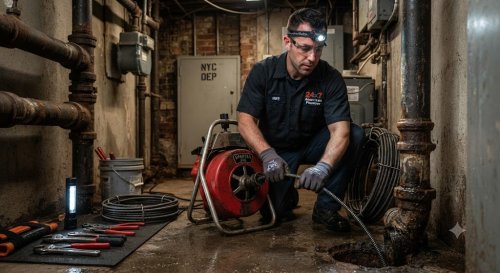
Jetting and Root Cutting: High-pressure water jetting clears out accumulated bio-mats, grease, and invasive tree roots from distribution pipes.
-
Soil Fracturing/Aeration: Pneumatic injection tools force compressed air into the surrounding soil to break up compaction and restore natural drainage channels.
-
Biostimulation: Introducing specialized bacterial cultures to break down organic slime layers blocking the soil interface.
-
-
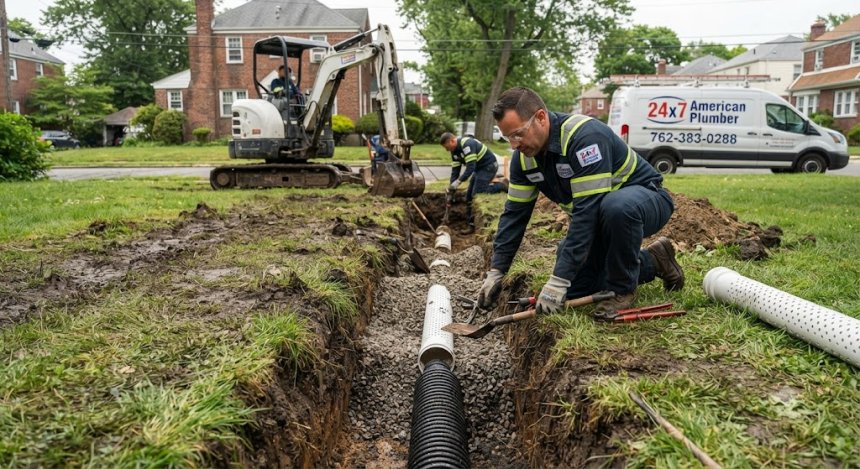
Complete Drain Field Replacement: If pipes are crushed or the native soil is permanently clogged with biological slime (biomat), excavators remove the old trenches, expand or relocate the field layout, and install new gravel beds, distribution boxes, and perforated piping in compliance with current local codes.
NYC Regulations and Environmental Compliance
Managing wastewater systems within New York City requires strict adherence to local environmental laws overseen by agencies such as the NYC Department of Environmental Protection (NYCDEP) and the New York State Department of Environmental Conservation (NYSDEC).
-
Permitting Requirements: Major excavations, relocations, or new installations of septic and drain field components require formal permits and engineered site plans.
-
Setback Distances: Local health codes enforce strict distance minimums between drain fields and property lines, water wells, surface water bodies, and building foundations to protect public health.
-
Professional Licensing: Only certified and insured contractors should perform structural plumbing and excavation work on wastewater systems to avoid severe municipal fines and stop-work orders.
Proactive Maintenance Tips to Extend Drain Field Life
Preventing costly emergency repairs requires consistent, disciplined property management practices:
-
Pumping Schedule: Pump your septic tank every 3 to 5 years depending on household size and water usage to keep solids out of the drain field.
-
Conserve Water: Spread out laundry loads over the week, repair leaky faucets immediately, and install high-efficiency aerators and toilets.
-
Protect the Surface: Never drive vehicles, park cars, or build patios, sheds, or pools over the septic tank or drain field area.
-
Mind What Goes Down the Drain: Avoid flushing wipes (even those labeled flushable), paper towels, feminine hygiene products, coffee grounds, and harsh chemicals.
-
Manage Landscaping: Keep large trees and shrubs at least 20 feet away from the absorption field perimeter.
Professional Support When You Need It Most
Dealing with wastewater backups and drain field failures is stressful, disruptive, and time-sensitive. Attempting DIY chemical fixes or ignoring early warning signs only accelerates total system collapse and increases remediation expenses.
For expert diagnosis, advanced excavation, jetting, and complete drain field restoration across the New York City area, contact 24x7 American Plumber today at 762-383-0288 or visit 24x7americanplumber.com. Our licensed professionals are available around the clock to keep your property safe, sanitary, and fully compliant.