What to Do in the First 10 Minutes of a Burst Pipe Emergency
Discover critical step-by-step actions to take during the first 10 minutes of a burst pipe emergency to minimize water damage and protect your home. Call us 24/7!


The Critical First 10 Minutes: How to Handle a Burst Pipe
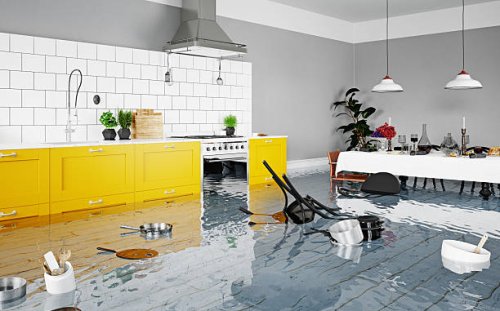
Operating a home or commercial property means facing unexpected mechanical failures, but few events strike as much immediate terror into a property owner as a burst pipe. When a water supply line ruptures, hundreds of gallons of pressurized water can flood your living space every single hour, buckling hardwood floors, saturating insulation, warping drywall, and triggering catastrophic mold growth.
As a master plumber with over fifteen years of hands-on experience responding to midnight flood disasters, I can tell you that the outcome of a plumbing emergency depends almost entirely on what you do in the first ten minutes. Panic wastes precious time, whereas swift, calculated action halts the flow of water and saves thousands of dollars in restoration costs. This comprehensive guide outlines the exact chronological steps every property owner must take the moment a pipe lets go.
Minute 1-2: Locate and Shut Off the Main Water Supply
The absolute priority when a pipe bursts is stopping the source of the water. Every second you spend hesitating or trying to mop up water while the line is still under pressure is a losing battle.
Finding Your Main Shut-Off Valve
You should never have to search for your main water shut-off valve for the first time during an active emergency. Familiarize yourself with its location today.
-
Basements and Crawlspaces: In homes with sub-grade foundations, the main water line typically enters through the front foundation wall, with the shut-off valve located just a few feet above the floor.
-
Slab-on-Grade Homes: Look for the valve near your water heater closet, inside a garage wall panel, or near the front exterior hose bib where the main supply line enters the property footprint.
-
The Operation: Turn the valve wheel clockwise until it stops completely. If you have a lever-style ball valve, turn it a quarter-turn so that the handle is perpendicular to the pipe.
Localized Fixture Shut-Offs
If the burst is isolated to a specific appliance or fixture—such as a flexible supply line under a bathroom vanity or behind a washing machine—look directly beneath or behind that fixture for the local mini shut-off valves. Turning these individual valves clockwise will stop water to that specific appliance without cutting water to the entire house.
Minute 3-5: Kill the Power to Protect Against Electrical Hazards
Water and electricity are a lethal combination. Once the primary water flow has been throttled or completely shut off, your next immediate step involves securing the electrical safety of your home.
Mitigating Electrical Shock Risks
Water pouring from a ceiling stack or running across a floor can easily come into contact with electrical outlets, baseboard heaters, extension cords, or appliance wiring.
-
Locate your main electrical breaker panel before any emergency occurs.
-
If water is leaking near electrical panels, light fixtures, or major appliances, switch off the main circuit breaker to the affected zone—or the entire house if water is widespread.
-
Never wade through standing water if you suspect it has energized electrical sources. Call your local utility provider or an emergency electrician immediately if live wires are compromised.
Protecting Your Water Heater
If a pipe has burst or your water heater tank has failed, the heating elements or gas burners inside your water heater can burn out if they continue running dry.
-
Switch off the dedicated circuit breaker for an electric water heater.
-
For gas water heaters, turn the gas control valve to the "Pilot" or "Off" position. This prevents tank overheating and potential structural damage while the plumbing system is drained.
Minute 6-8: Relieve Pressure and Contain Localized Water Spillage
With the water supply secured and electrical hazards minimized, you can now focus on draining residual pressure and keeping the floodwaters from spreading further into your home.
Draining the Plumbing Lines
Even after the main valve is closed, a significant amount of water remains trapped inside your piping network.
-
Go to the lowest level of your home and open all cold and hot water faucets.
-
Flush the lowest-level toilets once to drain the tank and bowl.
-
Opening these fixtures allows air to enter the system and lets gravity drain remaining water out through the burst point rather than forcing it out through fresh gaps in the wall.
Initial Containment and Extraction
Grab towels, buckets, mops, or a wet-dry shop vacuum to corral pooling water.
-
Place buckets directly beneath active dripping ceiling leaks.
-
Roll up area rugs and move electronics, furniture, and valuables off saturated flooring to prevent permanent warping and staining.
-
If water is pooling against drywall baseboards, use fans or a portable dehumidifier if safe to do so, though major extractions will ultimately require professional restoration equipment.
Minute 9-10: Call Your Professional Emergency Plumber
By minute nine, you have stopped the active flooding, secured your electrical grid, relieved system pressure, and done initial triage. Now is the time to call in professional reinforcement.
Why DIY Fixes Fail During Pipe Bursts
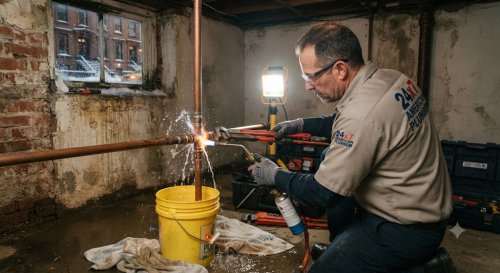
Applying duct tape, rubber patches, or epoxy putty to a high-pressure burst pipe is a temporary band-aid that almost always fails under pressure. Municipal water lines operate under significant PSI, and a compromised pipe requires professional cutting, cleaning, and structural replacement using code-compliant materials like PEX, copper, or PVC.
What to Expect When You Call 24x7 American Plumber
When you reach out to our emergency dispatch line at 762-383-0288, you are connected immediately with experienced professionals who understand the urgency of a flood situation.
-
Rapid Mobile Dispatch: Our fully stocked service vehicles roll out immediately to your location, equipped with heavy-duty pipe repair materials, commercial extractors, and diagnostic cameras.
-
Transparent Upfront Pricing: We evaluate the damage, explain your repair options clearly, and provide upfront pricing before any work begins.
-
Code-Compliant Permanent Repairs: We cut out the damaged pipe segment, inspect surrounding joints for secondary stress fractures, and restore your water system safely and efficiently.
Prevention: How to Ensure It Never Happens Again
Once the immediate crisis has passed and your plumbing is fully restored, taking proactive steps ensures you never have to repeat those frantic first ten minutes.
Insulate Vulnerable Pipes
Pipes located in unheated attics, crawlspaces, exterior walls, and garages are prime candidates for freezing and bursting. Wrap these lines in dense foam insulation sleeves or install thermostatically controlled heat tape along vulnerable exterior runs.
Monitor Water Pressure
High water pressure exceeding 80 psi places continuous strain on joints, valves, and older piping materials. Have a professional check your home's water pressure and install or replace a failing Pressure-Reducing Valve (PRV) if necessary.
Replace Aging Supply Hoses
Inspect flexible braided steel lines feeding your washing machine, toilets, and dishwasher every six months. Replace old rubber hoses with burst-resistant braided stainless steel lines every five to seven years.
Conclusion: Keep Our Number Handy
A burst pipe is an absolute emergency, but knowing exactly what to do in the first ten minutes transforms chaos into controlled action. Shut off the main water valve, kill the electrical power, drain the system pressure, and call the experts.
Save our contact information in your phone today so you are never left searching during a crisis:
-
Company Name: 24x7 American Plumber
-
Emergency Phone: 762-383-0288
-
Website:
24x7americanplumber.com -
Availability: 24 hours a day, 7 days a week, 365 days a year for all emergency plumbing needs.