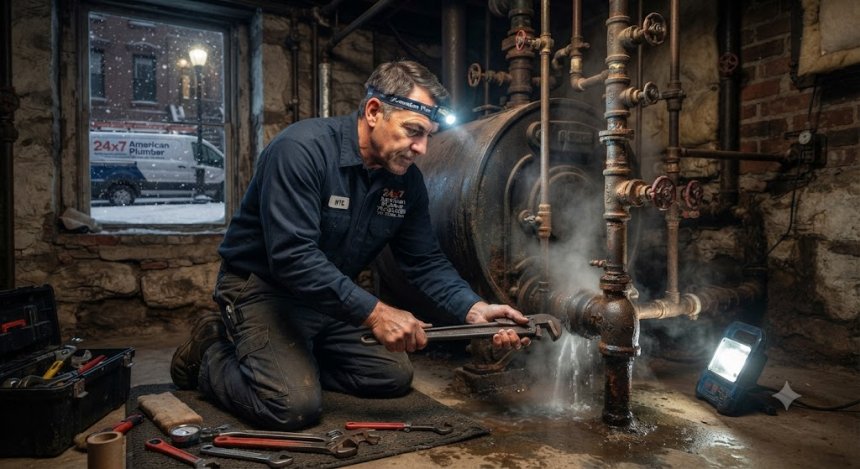
Emergency Plumber in Houston
Facing a midnight burst pipe, overflowing toilet, or water heater failure in Houston? Get fast, reliable emergency plumbing services from licensed experts. Call now!


The Reality of Plumbing Emergencies in Houston
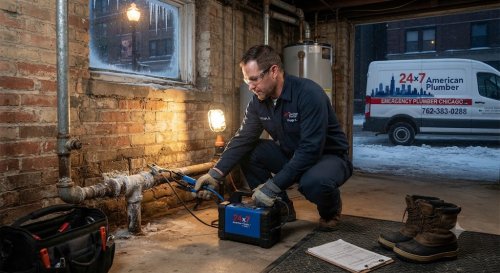
Operating a home or commercial property in Houston, Texas, means dealing with a unique blend of climate challenges, shifting foundational soils, and heavy infrastructure demands. From the stifling summer heat that strains water heaters to freezing winter snaps that burst uninsulated outdoor pipes, Houston properties face a constant barrage of plumbing stress.
As a master plumber with over fifteen years of hands-on experience handling midnight disasters across Space City, I have seen every possible plumbing failure. When a supply line ruptures or a main sewer line backs up into your living room, every second counts. Knowing how to shut off your water, what constitutes an absolute crisis, and who to call can mean the difference between a minor inconvenience and thousands of dollars in catastrophic water damage.
What Constitutes a True Plumbing Emergency?
Not every plumbing issue requires an immediate midnight dispatch. A slow-draining guest bathroom sink or a dripping faucet can usually wait for normal business hours. However, certain situations demand immediate professional intervention to protect your property and health.
-
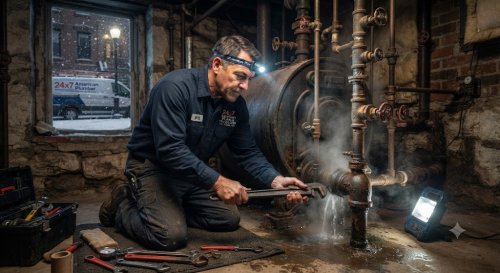
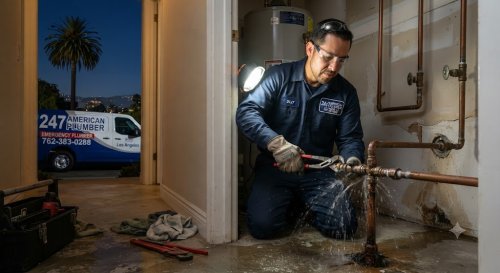
Burst Supply Lines: A ruptured washing machine hose or cracked copper water line can pump hundreds of gallons of water into your home every hour, buckling hardwood floors, warping drywall, and fueling toxic mold growth.
-
Overflowing Toilets: If a toilet keeps rising and spilling over onto bathroom floors—especially if it is mixed with raw sewage or will not stop with the flapper valve—it represents an urgent health hazard.
-
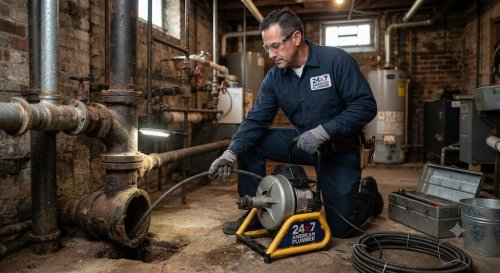
Main Sewer Line Blockages: When multiple plumbing fixtures (toilets, showers, and floor drains) back up simultaneously or gurgle aggressively when you run water, your main sewer line is obstructed or collapsed.
-
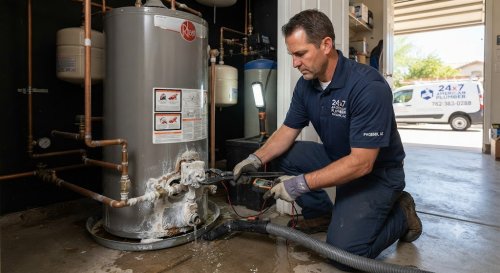
Water Heater Tank Failures: A failing water heater tank can split at the seams, flooding utility closets or basements with scalding hot water and causing extensive structural damage.
-
Gas Line Leaks: While technically a mechanical and plumbing hazard, the smell of rotten eggs near a gas water heater or stove requires an immediate evacuation and emergency dispatch.
Houston’s Unique Plumbing Challenges
Houston’s geography and environmental conditions create specific vulnerabilities that every local property owner needs to understand.
-
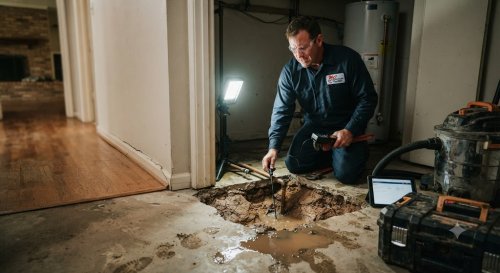
Expansive Clay Soils: The greater Houston area sits on heavy gumbo clay soils. When it rains heavily, the clay swells; during scorching dry spells, it shrinks and cracks. This constant ground shifting places immense stress on underground sewer lines, water supply pipes, and concrete slab penetrations, often leading to sheared lines or pipe belly sags.
-
Hard Water Mineral Buildup: Houston water carries significant mineral content. Over time, calcium and magnesium scale accumulate inside water heaters, valves, and supply lines, reducing efficiency, accelerating corrosion, and causing premature component failures.
-
Extreme Weather Fluctuations: While Houston is known for blistering summers, unexpected winter freezes (such as the historic Uri freeze) catch many properties unprepared. Exterior hose bibs, uninsulated attic pipes, and crawlspace lines freeze and rupture rapidly when temperatures drop below freezing.
-
High Water Table and Heavy Rains: Torrential downpours and tropical storms overwhelm municipal drainage systems quickly, increasing the risk of storm surges backing up through private sewer lines and overwhelming basement or ground-floor fixtures.
Immediate Steps to Take While Waiting for Your Emergency Plumber
Panic is the enemy during a plumbing crisis. Taking swift, calculated action before your emergency plumber arrives can drastically reduce property damage.
1. Locate and Shut Off the Main Water Valve
Every Houston property owner must know where their main water shut-off valve is located.
-
In slab-home residences, it is typically located near the front exterior hose bib, inside a garage wall alcove, or near the water heater.
-
In homes with crawlspaces or basements, it is usually found near the point where the main water line enters the foundation.
-
Turn the valve clockwise until it stops to completely isolate the property's water supply and halt active flooding.
2. Turn Off the Water Heater Power
If you are dealing with a major leak, a burst pipe, or a failed water heater tank, shut off the power source immediately. Turn off the circuit breaker dedicated to an electric water heater or switch the gas control valve to the "Pilot" or "Off" position. Leaving a water heater running dry will burn out heating elements or ruin the tank vessel.
3. Contain Localized Leaks and Relieve Pressure
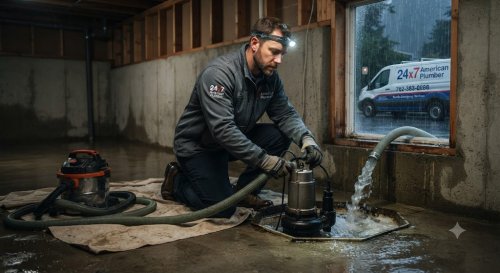
Use buckets, towels, and wet-dry vacs to capture pooling water. If a single fixture is leaking (such as a supply line under a sink), close the individual local shut-off valve beneath that fixture. Open unaffected low-level faucets to drain remaining water out of the lines and relieve internal pressure.
What to Expect When You Call an Emergency Plumber
When you place an emergency call to a professional service like 24x7 American Plumber at 762-383-0288, you should expect a streamlined, efficient response protocol designed to resolve the crisis safely.
-
Rapid Dispatch and Communication: A reliable 24/7 dispatcher will gather critical details about your emergency, provide immediate phone guidance on how to minimize damage (like shutting off the main valve), and dispatch a fully stocked mobile service unit to your location.
-
Advanced Diagnostic Assessment: Upon arrival, the technician assesses the damage using professional diagnostic tools—such as thermal imaging cameras to track hidden moisture behind walls or electronic line locators for underground leaks.
-
Transparent Emergency Pricing: Reputable plumbers provide clear, upfront pricing before beginning any emergency repair work, explaining your options so you can make informed decisions under pressure.
-
Immediate Mitigation and Repair: The plumber executes the repair—whether that means cutting out a burst section of PEX or copper, clearing a main sewer clog with a heavy-duty auger, or replacing a failed pressure-reducing valve (PRV).
Preventative Maintenance: How to Avoid Midnight Plumbing Disasters
While unexpected emergencies can never be entirely eliminated, routine preventative maintenance drastically reduces your risk of a midnight plumbing failure.
-
Insulate Exterior Pipes and Hose Bibs: Before winter temperatures drop, disconnect garden hoses, install insulated foam covers over outdoor spigots, and insulate exposed pipes in unheated attics, garages, or crawlspaces.
-
Flush Your Water Heater Annually: Draining and flushing your water heater tank once a year removes sediment and mineral scale buildup, extending the lifespan of the tank and preventing sudden bottom ruptures.
-
Inspect Supply Hoses Regularly: Check flexible braided steel supply lines feeding your washing machine, toilets, and kitchen sink every six months. Look for bulging, corrosion, or weeping connections, and replace rubber hoses with burst-resistant braided stainless steel lines.
-
Schedule Professional Sewer Inspections: Having a professional run a high-definition video camera through your main sewer line every few years can catch root intrusion, pipe offsets, or grease buildup before they turn into complete blockages.
Why Choose Professional Emergency Services?
Attempting DIY repairs during an active plumbing emergency often escalates the damage. Applying duct tape to a high-pressure water pipe or using harsh chemical drain openers on a compromised cast iron stack can lead to sudden structural failures and chemical burns. Licensed emergency plumbers bring specialized tools, commercial-grade materials, and years of diagnostic expertise to resolve complex problems safely and efficiently.
When disaster strikes your Houston home or business, you need a team that answers the phone 24 hours a day, 7 days a week, 365 days a year. Do not let a plumbing emergency compromise your property value and peace of mind.