Plumber in Reading MA | 24/7 Expert Plumbing Services
Need a dependable plumber in Reading, MA? Get expert 24/7 emergency repairs, drain cleaning, and plumbing solutions. Call our licensed pros today!

Introduction
Discovering water pooling where it shouldn't or hearing strange gurgling sounds behind your walls is enough to ruin anyone's day. When plumbing systems fail unexpectedly, finding a dependable plumber in Reading MA becomes an urgent priority for local home and business owners. Historic New England properties, vintage municipal supply grids, and harsh seasonal temperature swings place immense pressure on residential plumbing networks throughout Middlesex County.
Ignoring early warning signs—such as a sluggish shower drain or a mysterious jump in your monthly water bill—frequently escalates into severe structural water damage, rot, and expensive emergency interventions. This expert guide breaks down everything property owners need to know about diagnosing plumbing failures, understanding regional vulnerabilities, and knowing precisely when to call a certified professional.

Financial Breakdown: Cost Factors & Investment Realities
Plumbing repair and installation costs are never one-size-fits-all; they depend entirely on the scope and complexity of the job. Understanding variable cost inputs helps homeowners budget with confidence:
-
Diagnostic & Dispatch Fees: Standard weekday service calls differ from emergency after-hours dispatches, which cover rapid 24/7 mobilization.
-
Accessibility & Labor Scope: Minor repairs under an easily accessible sink require less labor time than excavating a concrete basement slab or trenching an outdoor sewer line.
-
Material Quality: Upgrading legacy galvanized iron to durable cross-linked polyethylene (PEX) piping or heavy-gauge copper involves distinct material costs.
-
Permitting & Code Compliance: Major system overhauls or gas line adjustments in Reading require municipal permits to protect home resale value and satisfy local codes.
Critical Warning Signs: When Your Home is Sounding the Alarm
Your plumbing system rarely fails without warning. Property owners should stay alert to sensory indicators that suggest trouble is brewing behind the walls or under the floors:
-
Auditory Clues: Loud banging noises when turning off faucets (water hammer), high-pitched whistling from pressure regulators, or bubbling gurgles from shower drains when toilets are flushed.
-
Visual & Structural Indicators: Unexplained damp spots on ceilings, buckling hardwood flooring, peeling paint, or a spinning water meter dial when all household faucets are completely shut off.
-
Olfactory Warnings: Lingering sewer gas aromas near floor drains or damp, earthy mildew smells in crawlspaces, which signal cracked vent stacks or hidden waste line leaks.
What Is Residential Plumbing Failure? Decoding the Mechanism
To understand when a system breaks down, it helps to look at how your home’s plumbing is designed to function. At its core, a residential plumbing network is a closed-loop balance of pressurized potable water supply lines and gravity-fed drainage, waste, and vent (DWV) piping. When this delicate balance is disrupted by material wear, pressure spikes, or blockages, failure occurs.
Consider a common local scenario: a homeowner in a historic New England colonial hears a faint, recurring hissing sound behind a finished basement wall. Over decades, mineral-heavy water and thermal expansion have weakened a copper joint, creating a micro-pinhole leak. While the water pressure initially forces a fine stream straight into the surrounding insulation and wooden framing, it slowly weakens structural supports and breeds mold. Recognizing these underlying mechanics allows homeowners to catch failures before minor drips become major floods.
Root Causes: Why This Problem Occurs in Local Homes
Reading homes feature a unique blend of historical architecture and modern construction, exposing plumbing systems to distinct structural and environmental stressors:
-
Aging Infrastructure: Many local properties still utilize legacy cast iron or galvanized steel piping that corrodes internally over time, restricting flow and creating weak spots.
-
Hard Water Scaling: Mineral-heavy water leaves behind calcium and magnesium deposits inside water heaters, valves, and aerators, reducing efficiency and causing premature wear.
-
Municipal Pressure Fluctuations: High municipal water pressure can stress residential fixtures, joints, and older valves if a pressure-reducing valve fails.
-
Seasonal Freeze-Thaw Cycles: New England's harsh winters cause unprotected pipes in unheated basements, crawlspaces, and exterior walls to freeze, expand, and rupture.
Professional Diagnostic & Repair Workflow
When you hire a licensed plumbing contractor, guesswork is replaced by a rigorous, systematic methodology engineered to protect your property:
-
Non-Invasive Triage & Safety Isolation: The technician immediately identifies and secures local or main water shut-off valves to halt active flooding while checking electrical hazards.
-
Precision Diagnostic & Digital Video Inspection: High-definition push-rod cameras are navigated through drain lines to visually pinpoint root intrusions, pipe collapses, or heavy scale.
-
Transparent Options & Written Estimating: Before work begins, you receive a clear, flat-rate pricing breakdown detailing repair versus replacement options with no hidden fees.
-
Code-Compliant Remediation: The plumber executes repairs using premium-grade materials that strictly adhere to Massachusetts plumbing and building codes.
-
Pressure Testing & Site Cleanup: The repaired network undergoes rigorous pressure testing to ensure structural integrity, followed by thorough clean-up and sanitization.
Advanced Diagnostics: The Professional Tool Arsenal
Professional plumbing relies on advanced diagnostic gear to locate hidden problems accurately without unnecessary tearing into walls or landscaping:
-
Electronic Acoustic Leak Detectors: Amplifies the sound of pressurized water escaping beneath concrete slabs or underground, allowing precise pinpointing.
-
Push-Rod High-Definition Cameras: Delivers crystal-clear internal views of sewer and drain lines to identify cracks, bellies, and grease blockages instantly.
-
Hydro-Jetting High-Pressure Units: Employs high-pressure water streams up to 4,000 PSI to thoroughly scour grease, mineral scale, and tree roots from pipe interiors.
-
Digital Manometers & Pipe Locators: Measures gas and water system pressure differentials to isolate micro-leaks and map underground paths accurately.
DIY Reality Check: What You Can Safely Fix vs. When to Step Back
-
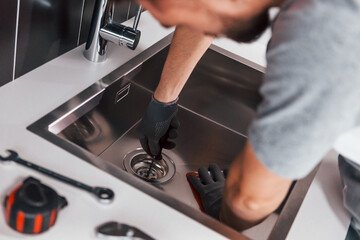
Safe Homeowner Actions: Clearing a basic P-trap under a bathroom sink, plunging a simple toilet clog, resetting a garbage disposal overload switch, or shutting off a local fixture valve.
-
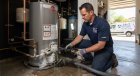
The Danger Zone: Any work involving main gas lines, electrical water heater elements, sewer line excavation, or pressurized main supply lines. When structural flooding or safety is on the line, drop the wrench and call a licensed pro.
Unique Expert Insights: Hard Truths Homeowners Learn Too Late
Years of hands-on field experience reveal several common misconceptions that end up costing property owners dearly:
-
Temporary Patch Kits Are Not Permanent: Rubber wrap tape and epoxy putty only mask structural failures, often blowing out under pressure and invalidating insurance claims.
-
Chemical Cleaners Cause Hidden Damage: Liquid drain-opening chemicals generate intense heat, warping PVC piping and corroding metallic joints from the inside out.
-
Handyman Shortcuts Fail Inspections: Unlicensed repairs frequently violate local building codes, creating expensive roadblocks during real estate home sales.
-
Preventive Maintenance Saves Thousands: Annual water heater flushes and pressure-reducing valve checks cost a fraction of an emergency midnight extraction.
Comprehensive Home Plumbing Maintenance Framework
Keep your plumbing system running smoothly year-round by following these seasonal maintenance guidelines:
-
Spring & Summer Checks: Test your sump pump by pouring a bucket of water into the basin; inspect outdoor hose bibs for frost cracking; examine property grading.
-
Fall & Winter Preparation: Disconnect garden hoses; insulate vulnerable pipes in unheated areas; flush your water heater tank to eliminate sediment accumulation.
-
Year-round Habits: Place mesh strainers in all sinks and showers to catch hair and debris; test your main water shut-off valve annually to ensure it moves freely.
Emergency Protocol: When Immediate Dispatch is Non-Negotiable
Certain critical situations demand an immediate 24/7 emergency dispatch to prevent catastrophic property damage:
-
Catastrophic Pipe Bursts: When a main supply line splits and water cascades through ceilings or pools across living areas.
-
Main Sewer Line Backups: When raw sewage backs up simultaneously into multiple household floor drains, tubs, and toilets.
-
Total Potable Water Loss: Sudden, unexplained loss of water supply to the entire residential property.
-
Gas Leaks or Water Heater Failures: Any suspicion of natural gas odors near appliances or a leaking water heater tank threatening electrical outlets.
Frequently Asked Questions (FAQs)
How fast can an emergency plumber arrive in Reading?
Emergency response times vary based on traffic and weather conditions, but local technicians typically arrive within 45 to 60 minutes for urgent situations like active flooding.
Why is my home experiencing a sudden drop in water pressure?
Sudden pressure loss is frequently caused by a failing pressure-reducing valve (PRV), a partially closed main shut-off valve, or a hidden supply line leak.
Should I repair or replace my aging water heater?
If your water heater is over 10 to 12 years old, requires frequent repairs, or has a leaking tank, replacement is generally more cost-effective than continuous repair.
Are chemical drain cleaners safe for my home's plumbing?
No. Chemical drain cleaners use harsh caustic agents that can corrode metal pipes, melt PVC joints, and fail to remove solid obstructions completely.
What causes water hammer, and how can I fix it?
Water hammer is caused by fast-closing valves sending shockwaves through the pipes. It is typically resolved by draining the system to recharge air chambers or installing arrestors.
Do I need a permit to replace a water heater in Reading MA?
Yes, municipal plumbing and gas codes in Massachusetts generally require permits and professional installation for water heater replacements to ensure safety compliance.
How often should I have my main sewer line inspected?
It is recommended to have your main sewer line inspected with a video camera every 2 to 3 years, especially in older neighborhoods with mature trees.
What is the average lifespan of residential copper piping?
Properly installed copper piping can last anywhere from 50 to 70 years, though aggressive water chemistry can shorten this lifespan.
Why Local Homeowners Trust Reliable Plumbing Professionals
Choosing the right plumbing partner offers invaluable peace of mind when property emergencies arise. Look for fully licensed, insured, and background-checked technicians who provide transparent, flat-rate pricing with zero hidden surprises. With state-of-the-art diagnostic equipment, deep local expertise across Reading and surrounding Middlesex County neighborhoods, and a rock-solid commitment to customer satisfaction, professional plumbers keep your home safe and dry all year long.
Are you currently dealing with a plumbing issue in your home, or would you like assistance scheduling a professional inspection?