Sewage Backing Up in Bathtub | Danger Signs & Emergency Fixes
Is sewage backing up in your bathtub? Learn the danger signs, health hazards, and emergency fixes. Call 24x7 American Plumber at 762-383-0288 for 24/7 service.

The Complete Guide to Sewage Backing Up in the Bathtub: Hazards and Solutions
Few household scenarios strike panic into a homeowner quite like walking into the bathroom and discovering foul-smelling, dark water pooling in the bottom of the tub. When sewage backs up into a bathtub, it represents far more than a simple localized clog—it is a glaring indicator that your main sanitary sewer line has failed, is blocked, or is structurally compromised.
As a master plumber with over 15 years of hands-on field experience dealing with residential wastewater emergencies, I have seen firsthand how destructive and distressing this issue can be. When wastewater reverses its natural flow and erupts inside your living space, immediate and informed action is required. This guide explores why this phenomenon happens, the severe health risks involved, immediate steps you must take, and how professional intervention resolves the crisis permanently.
Why Is Sewage Backing Up in Your Bathtub?
To understand why sewage chooses your bathtub as an escape route, you must understand the basic gravity-fed hierarchy of residential plumbing. Your home's drainage network operates on a downward slope, directing wastewater from upper-level fixtures (toilets, sinks, showers) down through branch lines and into the main vertical waste stack, which ultimately connects to the main sewer lateral leading out to the municipal street main or septic tank.
The bathtub drain is almost universally the lowest plumbing fixture in a standard multi-level or single-story home (aside from basement floor drains). Because water takes the path of least resistance when a blockage occurs downstream, any obstruction in the main sewer line stops wastewater from escaping outward. As more water is introduced into the system from toilets or sinks, the trapped wastewater backs up and rises out of the lowest available opening—which is your bathtub or shower pan.
Common Causes of Main Sewer Line Failures
-
Tree Root Intrusion: Tree roots naturally seek out moisture and nutrients, infiltrating tiny cracks or joint seals in older clay or cast iron sewer pipes, expanding over time to create massive blockages.
-
Structural Pipe Collapses: Aging terracotta, orangeburg, or rusted cast iron pipes can structurally cave in under shifting soil or heavy surface pressure.
-
Foreign Objects and Grease Buildup: Flushing non-flushable items (wipes, feminine hygiene products, paper towels) combined with congealed cooking fats creates impenetrable "fatbergs" inside the main line.
-
Municipal Main Blockages: Occasionally, the backup originates not on your property, but within the city's main municipal sewer line, forcing backpressure up your lateral connection.
Recognizing the Danger Signs Before a Full Backup
A catastrophic sewage backup rarely happens without warning. Long before dark, foul-smelling water breaches your bathtub rim, your plumbing system typically displays subtle or progressive warning signs. Recognizing these indicators early can save you from a major property restoration disaster.
Early Warning Indicators
-
Slow Draining Fixtures: If your kitchen sink, bathroom sink, and bathtub all begin draining sluggishly at the same time, the issue is not a localized hair clog in a single trap, but a central blockage in the main stack.
-
Gurgling Sounds: When you flush a toilet or run the washing machine, do you hear a distinct gurgling or burping sound coming from the bathtub drain or toilet bowl? This acoustic anomaly indicates that trapped air is struggling to escape the plumbing vents due to an obstruction downstream.
-
Multiple Fixture Interference: If flushing your upstairs toilet causes water levels to rise in your downstairs bathtub or shower, your drainage system is cross-communicating through blockages.
-
Unpleasant Odors: Persistent, sulfurous, or sewage-like odors emanating from your floor drains or tub signify that dried traps or partial clogs are allowing sewer gases to vent indoors.
Immediate Steps to Take When Sewage Appears
When a sewage backup occurs, panic can lead to costly mistakes. Raw sewage is a biohazard containing harmful bacteria, viruses, and pathogens. Follow these steps immediately to safeguard your health and limit property damage.
Step 1: Stop All Water Usage Immediately
Cease flushing toilets, running washing machines, taking showers, or operating dishwashers. Every gallon of water you introduce into the home will find its way out through the lowest opening—your bathtub.
Step 2: Protect Your Health and Skin
Put on rubber boots, heavy-duty rubber gloves, and eye protection before stepping into the affected area. Avoid direct skin contact with raw sewage at all costs.
Step 3: Contain the Area and Protect Belongings
Move bath mats, towels, and stored items away from the pooling water. If the backup is minor, place old towels around the perimeter to catch spreading moisture.
Step 4: Call an Emergency Professional
Residential plungers, chemical drain openers, and retail snakes are utterly useless against a main sewer line backup. Pouring chemical liquid drain cleaner into a standing pool of water in a bathtub is extremely dangerous, as the caustic chemicals can splash back when you attempt mechanical removal later.
Professional Diagnostic and Repair Methods
When a licensed emergency plumbing team arrives at your property, they bring advanced industrial-grade equipment designed to diagnose the root cause with precision and clear the obstruction permanently.
High-Definition Sewer Camera Inspection
Before clearing a stubborn line, professional plumbers frequently insert a flexible, waterproof fiber-optic camera down the cleanout or vent stack. This allows the technician to visually inspect the interior walls of the pipe, identifying whether the blockage is caused by roots, a structural break, or heavy grease buildup, ensuring the correct repair method is chosen.
Heavy-Duty Mechanical Rodding (Snaking)
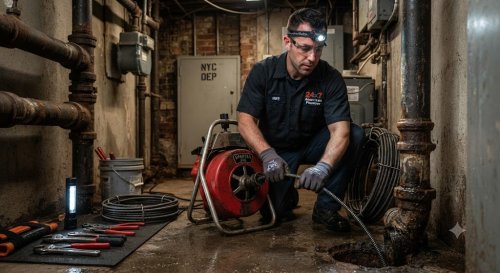
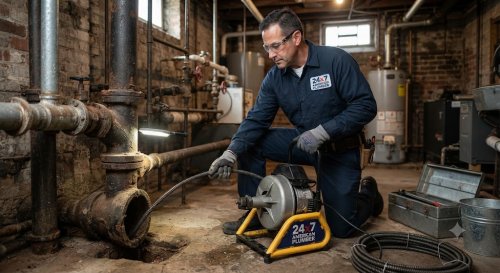
For root intrusions and standard clogs, commercial motorized augers equipped with heavy-duty cutting blades are fed into the system. These steel cables rotate at high speeds, slicing through roots, paper blockages, and debris to restore immediate flow.
Hydro-Jetting Technology
For comprehensive cleaning, high-pressure hydro-jetting utilizes streams of water pressurized up to 4,000 PSI to scour the interior walls of the sewer pipe completely clean. This method eliminates grease, scale, and mineral deposits, leaving the pipe looking and functioning like new.
Preventing Future Sewer Backups
While some municipal or tree-related line shifts are unavoidable, routine preventive measures can dramatically reduce the likelihood of experiencing another catastrophic backup.
-
Be Mindful of What You Flush: Treat your toilet strictly as a disposal for human waste and toilet paper. Never flush "flushable" wipes, paper towels, cotton balls, or hygiene products.
-
Manage Kitchen Grease: Never pour cooking oils, grease, or food scraps down your kitchen sink drain. Let grease cool and solidify before throwing it in the trash.
-
Install a Backwater Prevention Valve: A backwater valve is a specialized mechanical check valve installed in your main sewer line that allows wastewater to exit your home freely while automatically closing to prevent municipal or downstream sewage from rushing backward into your plumbing fixtures.
-
Schedule Annual Maintenance: Have a professional plumber inspect and clean your main sewer lateral every 1 to 2 years, especially if your property is surrounded by mature trees with aggressive root systems.
Your Trusted 24/7 Emergency Response Partner
A sewage backup in your bathtub is a high-stress emergency that demands an immediate, professional response. Waiting until normal business hours allows biohazardous waste to sit, increasing structural damage and health risks.
At 24x7 American Plumber, our team of licensed, insured, and highly trained master plumbers is on standby around the clock to handle your most urgent wastewater crises. We utilize state-of-the-art diagnostic cameras and hydro-jetting equipment to clear your lines safely, efficiently, and permanently.
Do not let a sewage backup compromise your home's hygiene and safety. Contact 24x7 American Plumber immediately at 762-383-0288 for rapid emergency dispatch. Visit us online at 24x7americanplumber.com to learn more about our comprehensive emergency plumbing and preventative maintenance services.