Sump Pump Overflowing in Rain | Emergency Fix
Is your sump pump overflowing during heavy rain? Discover why your pit is flooding, how to prevent basement water damage, and when to call a pro.

Introduction
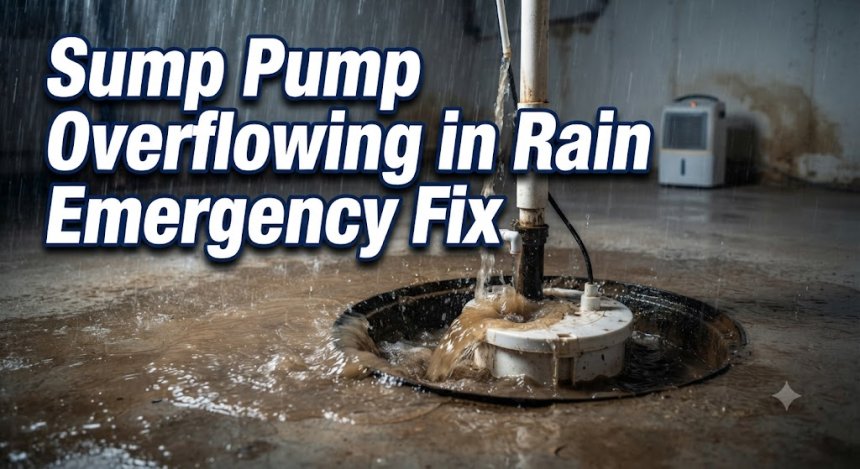
Nothing evokes a deeper sense of urgency than rushing down to your basement during a severe thunderstorm only to find water spilling over the edges of your drainage pit. Discovering a sump pump overflowing during heavy rain is a homeowner's worst nightmare, threatening finished living spaces, electrical systems, and structural foundations with thousands of dollars in water damage. Properties across the Northeast experience intense seasonal cloudbursts, melting snowpacks, and high regional water tables that place immense pressure on residential subsurface drainage systems.
Ignoring a failing pump or delaying emergency intervention accelerates mold colonization, destroys flooring, and compromises home structural integrity. This comprehensive guide details the mechanical causes behind sump pump failures, professional diagnostic workflows, and essential steps to protect your property during major weather events.
Financial Breakdown: Cost Factors & Investment Realities
Addressing sump pump failures and basement waterproofing involves variable financial inputs depending on equipment capacity and installation complexity:
-
Service Call & Dispatch Fees: Emergency storm dispatches cover rapid technician mobilization during peak regional weather events.
-
Component Replacement vs. Full System Overhaul: Replacing a simple check valve or tether switch involves minimal cost, whereas upgrading to a heavy-duty cast-iron submersible pump with a dual battery backup system requires a larger investment.
-
Discharge Line Modifications: Rerouting frozen or crushed exterior discharge lines away from the foundation impacts overall project labor and materials.
-
Permitting Requirements: Major structural interior drain tile installations or electrical upgrades for battery backup systems may require municipal permits.
What Is Sump Pump Saturation? Decoding the Mechanism
To understand why a sump pump overflows during heavy storms, it helps to review how subsurface drainage is designed to operate. A sump pit is strategically installed at the lowest point of a basement or crawlspace. Perforated drain tiles (French drains) embedded around the foundation footings collect groundwater and direct it via gravity into the pit.
When the water level rises to a specific trigger point, a float switch activates the sump pump motor, which pushes accumulated water upward and out through a rigid discharge pipe away from your foundation.
Picture a heavy regional cloudburst dumping inches of rain onto saturated ground: groundwater rushes into the pit faster than a standard, aging pump can evacuate it. If the discharge line is partially blocked or the pump impeller is choked with debris, water backs up instantly, spilling over the rim of the pit and flooding the basement floor.
Critical Warning Signs: When Your Basement is Sounding the Alarm
Sump pumps rarely fail without giving subtle sensory clues before a complete storm overflow occurs:
-
Auditory Clues: Hearing the pump motor hum loudly without moving water, or listening to a continuous, rapid cycling (short-cycling) sound as water flows back into the pit.
-
Olfactory & Visual Indicators: Musty, damp earth odors in the basement, efflorescence (white mineral deposits) on concrete walls, or visible rust streaks on the pump housing.
-
Performance Anomalies: Water pooling around the perimeter of the basement floor slab or sluggish evacuation rates during moderate rain showers.
-
Cascading Risks: Delaying pump service during heavy storms leads directly to ruined drywall, warped framing, destroyed personal belongings, and toxic black mold growth within 24 to 48 hours.
Root Causes: Why Sump Pumps Fail in Heavy Storms
Sump pump overflows stem from a combination of mechanical wear, electrical failures, and overwhelming environmental water volumes:
-
Overwhelmed Pump Capacity: Installing a low-horsepower or undersized pump that cannot keep up with high-volume water tables during severe regional storms.
-
Discharge Line Freezing or Blockage: Exterior discharge lines clogged with mud, ice, or debris prevent water from escaping, forcing it back down into the pit.
-
Switch Failures and Jamming: Tether or vertical float switches getting stuck against the side of the plastic pit liner, preventing the motor from turning on automatically.
-
Power Outages During Storms: Severe thunderstorms frequently knock out municipal electrical grids, shutting down standard plug-in sump pumps instantly if no backup battery is present.
-
Heavy Mineral Scale & Aging: High mineral content in ground water leaves behind scale deposits that bind the internal impeller over time.
Professional Diagnostic & Repair Workflow
When a licensed master plumber arrives to resolve a flooded basement or overflowing sump pit, they execute a rigorous diagnostic methodology:
-
Safety Triage & Electrical Isolation: The technician inspects the area for electrical shock hazards, shutting off compromised circuits before entering standing water.
-
Power & Switch Assessment: The technician tests the float switch, check valve, and electrical continuity to identify why the motor failed to engage.
-
Discharge Flow & Line Inspection: The exterior discharge line is checked for clogs, bellies, or freezing blocks that restrict water evacuation.
-
Upfront Options & Written Estimating: The plumber provides a clear, flat-rate pricing breakdown detailing whether the pump requires component repair, total replacement, or a secondary backup installation.
-
Code-Compliant Remediation: The new pump, check valve, and discharge piping are installed in strict adherence to local building codes, followed by thorough clean-up testing.
Advanced Diagnostics: The Professional Tool Arsenal
Professional plumbing contractors utilize specialized equipment to evaluate subsurface drainage systems accurately:
-
Electrical Multimeters: Tests voltage supply, switch continuity, and motor winding resistance to diagnose electrical failures.
-
Push-Rod Video Cameras: Inspects long exterior underground discharge lines to locate hidden crushes, root intrusions, or mud blockages.
-
Manometers & Pressure Testers: Evaluates check valve performance and back-pressure loads on the pump motor.
-
Submersible Flow Meters: Measures discharge volume rates to verify whether a pump meets the specific groundwater drainage demands of the property.
DIY Reality Check: What You Can Safely Fix vs. When to Step Back
-
Safe Homeowner Actions: Testing the pump manually by pouring a bucket of water into the pit, clearing minor debris from the intake screen, and ensuring the discharge line extension is clear outside.
-
The Danger Zone: Never step into standing basement water if electrical outlets or extension cords are submerged, as this creates a severe electrocution hazard.
-
When to Call a Pro: If the pump motor hums but fails to pump water, if the unit trips your home circuit breaker repeatedly, or if the pit overflows during every heavy rainstorm, call a licensed plumber immediately.
Unique Expert Insights: Hard Truths Homeowners Learn Too Late
Years of hands-on field experience reveal critical industry realities that protect homeowners from catastrophic basement floods:
-
Primary Pumps Always Fail at the Worst Time: Without a secondary battery backup system, a standard sump pump is a ticking time bomb during major power-outage storms.
-
Check Valves Prevent Burnout: A missing or broken check valve allows discharged water to flow right back into the pit, forcing the motor to run continuously until it overheats and burns out.
-
Plastic Basins Shift: In areas with high water tables, unanchored plastic sump basins can literally float upward out of the concrete floor during heavy saturation, snapping discharge lines.
-
Insurance Exclusions Apply: Standard homeowner insurance policies frequently deny coverage for basement flooding if it is determined the sump pump lacked proper maintenance or a battery backup.
Comprehensive Home Plumbing Maintenance Framework
Protect your basement from unexpected storm overflows by implementing these seasonal maintenance habits:
-
Spring & Summer Checks: Test your sump pump monthly by filling the pit with water; inspect exterior discharge lines to ensure water drains at least 6 to 10 feet away from the foundation.
-
Fall & Winter Preparation: Insulate exposed discharge piping in unheated areas to prevent freezing; check battery backup fluid levels and charge capacity before winter storms arrive.
-
Year-Round Habits: Clean debris from the sump pit intake screen every six months; test check valves for smooth operation; keep spare fuses or breakers accessible.
Emergency Protocol: When Immediate Dispatch is Non-Negotiable
Certain flooding emergencies demand immediate, 24/7 professional intervention to mitigate property loss:
-
Active Basement Inundation: Water overflowing continuously from the sump pit and rising across finished living spaces.
-
Electrical Hazard Proximity: Water reaching electrical outlets, breaker panels, or extension cords in the basement.
-
Total Primary & Backup Pump Failure: Both primary and backup systems failing simultaneously during a severe regional storm.
Frequently Asked Questions (FAQs)
Why is my sump pump overflowing even though it is plugged in?
An overflowing pump usually indicates that incoming groundwater exceeds the pump's capacity, the discharge line is blocked, the check valve is stuck, or the impeller is jammed with debris.
How do I know if my sump pump check valve is broken?
If you hear water rushing backward into the sump pit immediately after the pump motor shuts off, your check valve has failed and needs replacement.
Should I install a battery backup sump pump?
Yes. Primary sump pumps rely on household electricity, which often fails during severe thunderstorms. A battery backup system protects your basement when power goes out.
How often should sump pumps be tested?
Sump pumps should be tested at least once a month by pouring a bucket of water into the pit to ensure the float switch activates the motor smoothly.
What is the average lifespan of a residential sump pump?
Most quality submersible sump pumps last between 7 to 10 years, depending on how frequently they run and the mineral content of your groundwater.
Why does my sump pump run continuously even when it's not raining?
Continuous running can be caused by a stuck float switch, a high local water table, a leaking plumbing pipe feeding into the pit, or an improperly adjusted switch tether.
How far away from the foundation should the discharge pipe lead?
Water from your sump pump discharge line should be channeled at least 6 to 10 feet away from your foundation walls to prevent it from seeping right back into the pit.
What should I do if my basement starts flooding during a heavy storm?
Shut off power to the affected basement area if safe to do so, avoid walking in standing water near electrical sources, and call an emergency plumbing service immediately.
Why Homeowners Trust Professional Plumbing Experts
Resolving complex basement drainage failures and installing reliable battery backup systems requires specialized electrical and plumbing expertise. Relying on professional plumbing contractors ensures your property is protected by high-performance equipment, strict code compliance, and dependable warranties.
Are you experiencing sump pump issues during heavy rains, or would you like to schedule a professional drainage inspection today?