Water Meter Spinning Fast? Hidden Leak Guide
Is your water meter spinning continuously with faucets off? Uncover hidden leaks, structural causes, and when to call a professional plumber.

Introduction
Few discoveries are as unsettling for a property owner as walking out to the utility box, confirming every tap and appliance in the home is completely closed, and watching the small flow indicator triangle or dial on the register spinning wildly. Noticing your water meter spinning continuously with faucets off is an unmistakable red flag indicating that unmonitored water is escaping somewhere inside or outside your property network. Homeowners throughout the Northeast frequently encounter sudden meter movement due to deep ground frost shifts, aging infrastructure, and high municipal pressure stresses that strain hidden piping.
Ignoring this continuous flow can lead to skyrocketing utility bills, catastrophic structural erosion, and extensive foundation damage. This comprehensive guide details the mechanical causes behind a running meter, professional diagnostic workflows, and essential steps to isolate and resolve hidden leaks.

What Is a Running Water Meter Mystery? Decoding the Mechanism
To understand why your water meter registers flow when everything inside looks dry, it helps to examine how your home's potable water supply network functions. Pressurized water travels from the municipal main through your underground service lateral, passes through the water meter (which measures total consumption in gallons or cubic feet), and enters your home via a main shut-off valve before branching to fixtures and appliances.
Normally, the meter's low-flow indicator—a tiny star wheel or triangle—remains completely stationary unless water is actively moving through the impeller. When you close all faucets, valves, and appliances, the entire system is designed to hold a static, pressurized equilibrium. If a pipe cracks, a joint loosens, or a valve fails downstream, water escapes continuously, causing the meter impeller to spin as fresh water rushes in to replace the lost volume.
Consider a classic scenario in a historic suburban home: an underground copper supply line beneath the concrete slab develops a pinhole leak due to soil corrosion. Even though every bathroom and kitchen sink is shut off, thousands of gallons leak into the sub-base daily, keeping the water meter spinning around the clock.
Critical Warning Signs: When Your Home is Sounding the Alarm
Hidden water leaks rarely announce themselves with gushing water immediately; instead, they emit subtle, early warning indicators across your property:
-
Auditory & Tactile Clues: Hearing a faint, persistent hissing or rushing sound inside walls or near foundation floors when the house is entirely quiet. Feeling warm spots on concrete floors (a classic sign of a hot water slab leak).
-
Structural Anomalies: Sudden warping of hardwood flooring, peeling baseboards, damp drywall patches, or unexplainable mildew growth in lower-level closets.
-
Meter & Utility Indicators: A sudden, unexplained spike on your monthly municipal water bill despite consistent household consumption habits.
-
Cascading Risks: Delaying leak detection allows moisture to rot framing joists, accelerate toxic mold colonization, and undermine structural foundations.
Root Causes: Why Continuous Meter Movement Occurs
Unexplained water meter movement stems from a blend of environmental pressures, material aging, and hardware failures:
-
Underground Service Lateral Breaks: Ground shifting caused by freeze-thaw cycles can snap or crack aging plastic or copper supply lines running from the street meter to the house foundation.
-
Sub-Slab & Wall Pipe Failures: Pinholes caused by acidic water chemistry, aggressive soil composition, or friction against structural framing.
-
Faulty Fixture Components: A silently running toilet flapper, a stuck pressure-reducing valve (PRV), or an automatic ice maker valve that fails to shut completely.
-
Irrigation and Outdoor Spigot Leaks: Damaged underground sprinkler lines or cracked anti-siphon valves leaking unnoticed in the yard.
Professional Diagnostic & Repair Workflow
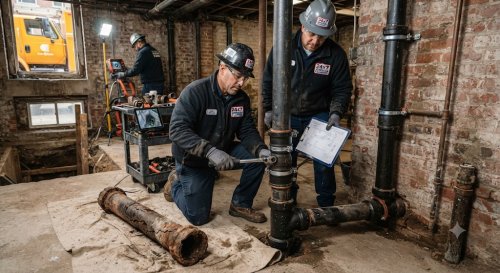
When a licensed master plumber investigates a spinning water meter with no visible indoor leaks, they deploy a rigorous, methodical isolation process:
-
System Isolation Triage: The plumber shuts the main indoor supply valve. If the meter stops spinning, the leak is located inside the home; if it continues spinning, the leak is isolated to the underground supply line between the meter and the house.
-
Precision Acoustic & Electronic Detection: For indoor lines, technicians use electronic acoustic listening devices to pinpoint the exact sound of water hissing through microscopic cracks behind walls or beneath floors.
-
Transparent Options & Written Estimating: Before excavation or invasive wall cutting begins, the plumber provides a clear, flat-rate pricing breakdown detailing repair versus repiping options.
-
Code-Compliant Remediation: Damaged pipe segments are repaired or replaced using premium materials (such as cross-linked polyethylene or copper) in strict accordance with local plumbing codes.
-
Pressure Testing & Flow Verification: The entire potable water system undergoes a stringent static pressure test to guarantee zero further pressure loss and verify absolute system integrity.
Advanced Diagnostics: The Professional Tool Arsenal
Eliminating guesswork saves homeowners thousands of dollars in unnecessary drywall or concrete demolition. Modern plumbing professionals utilize advanced diagnostic gear:
-
Electronic Acoustic Leak Detectors: Amplifies the distinct high-frequency sound of pressurized water escaping through tiny pipe fractures beneath concrete or soil.
-
Thermal Infrared Cameras: Detects temperature differentials behind walls and across floors caused by leaking hot water lines.
-
Digital Manometers & Pressure Gauges: Measures static water pressure to identify dangerous spikes or pressure drops indicating regulator failure.
-
Line Locators & Sondes: Traces the exact underground path and burial depth of hidden metallic or non-metallic water service laterals.
Financial Breakdown: Cost Factors & Investment Realities
Addressing hidden leaks and meter rotation involves variable financial inputs depending on leak location and accessibility:
-
Service Call & Dispatch Fees: Professional diagnostic deployments cover specialized technician mobilization and advanced acoustic equipment setup.
-
Accessibility Challenges: Locating a minor valve leak indoors is fast and inexpensive, whereas excavating a deep yard trench or breaking through a concrete foundation slab requires intensive labor.
-
Repair Scope & Material Quality: Simple component replacements (like toilet flappers or PRVs) represent minor investments, while major underground service line replacements require heavy machinery.
-
Permitting Requirements: Local municipal building codes often require permits for main water service line repairs or replacements.
DIY Reality Check: What You Can Safely Fix vs. When to Step Back
-
Safe Homeowner Actions: Performing the classic "meter test" (checking the low-flow indicator), conducting the food-coloring test on toilet tanks to check for silent flapper leaks, and turning off individual fixture supply stops.
-
The Danger Zone: Never attempt to excavate near utility lines without calling local utility marking services first, and avoid using harsh chemical sealants inside potable water lines.
-
When to Call a Pro: If shutting the main indoor valve still leaves the meter spinning, or if you suspect a slab leak or underground lateral break, drop the wrench and call a licensed plumber immediately.
Unique Expert Insights: Hard Truths Homeowners Learn Too Late
Years of hands-on field experience reveal crucial insights that protect homeowners from costly property damage:
-
Toilet Leaks are Silent Killers: A warped toilet flapper can waste hundreds of gallons a day without making a single sound, driving up water bills while keeping the meter spinning.
-
Ignoring Hissing Costs Thousands: A pinhole leak under concrete can erode soil support, causing foundation settling and cracking that dwarfs the cost of early leak detection.
-
Insurance Exclusions: Standard homeowner policies often deny coverage for water damage resulting from long-term, neglected slow leaks that homeowners chose to ignore.
-
Quick Patch Kits Fail: Rubber tape and temporary hardware store clamps cannot withstand continuous household water pressure and will eventually rupture catastrophically.
Comprehensive Home Plumbing Maintenance Framework
Protect your home plumbing network from hidden leaks and catastrophic failures by adopting these seasonal and routine habits:
-
Spring & Summer Checks: Inspect outdoor hose bibs for frost cracks; check irrigation manifolds and backflow preventers for weeping seals.
-
Fall & Winter Preparation: Disconnect garden hoses, insulate exposed basement supply pipes, and verify that main shut-off valves operate smoothly.
-
Year-Round Habits: Monitor your monthly water bills for unexplained upward trends; test your pressure-reducing valve (PRV) annually; check toilet tanks periodically for silent leaks.
Emergency Protocol: When Immediate Dispatch is Non-Negotiable
Certain leak scenarios demand immediate, 24/7 professional intervention to prevent structural disaster:
-
Catastrophic Main Line Rupture: Water spraying uncontrollably inside walls or flooding a basement floor from a broken supply pipe.
-
Total Loss of Water Control: Inability to shut off the main water supply valve during an active leak emergency.
-
Electrical Hazard Proximity: Water leaking near electrical service panels, breaker boxes, or water heater wiring harnesses.
Frequently Asked Questions (FAQs)
Why is my water meter spinning when all faucets are off?
A spinning meter with all faucets closed indicates that water is actively escaping somewhere in your system, either through a running toilet, a leaking appliance valve, or a broken underground pipe.
How do I know if the leak is inside my house or underground?
Locate your main indoor shut-off valve and turn it off. If the water meter stops spinning, the leak is inside your home; if it keeps spinning, the leak is in the underground supply line outside.
Can a running toilet cause the water meter to spin?
Yes. A silent toilet flapper leak allows water to constantly trickle from the tank into the bowl, keeping the water meter spinning continuously.
How much water can a pinhole leak waste?
Even a tiny pinhole leak in a pressurized pipe can waste hundreds or even thousands of gallons of water per week, drastically increasing your monthly utility bill.
What is a slab leak and how do I detect it?
A slab leak occurs when a water line beneath your concrete foundation cracks. Signs include warm patches on the floor, high water bills, and the sound of running water when taps are closed.
Are hidden water leaks covered by home insurance?
Coverage depends on your specific policy and whether the leak was sudden or caused by long-term neglect. Sudden bursts are typically covered, while gradual leaks from lack of maintenance often are not.
How do plumbers find hidden leaks without breaking walls?
Licensed plumbers use advanced electronic acoustic listening devices, thermal imaging cameras, and pipeline pressure testing equipment to pinpoint leaks non-destructively.
What should I do if I suspect a main water line break?
Locate your main emergency water shut-off valve immediately to stop the flow, clear the area if flooding is present, and contact a licensed 24/7 emergency plumbing service.
Why Homeowners Trust Professional Plumbing Experts
Diagnosing and repairing hidden water leaks requires specialized acoustic equipment, advanced licensing, and precise technical skill. Relying on professional plumbing contractors ensures your home's water network is accurately evaluated, safely repaired, and restored with upfront pricing and dependable warranties.
Are you noticing unexplainable water meter movement at your property, or would you like to schedule professional leak detection services today?